There's a moment that divides a good morning from a wonderful one. It's that very first sip where the coffee isn't simply hot and brown, it's alive. Aromas punch via the fog of sleep, and for a short 2nd, you would certainly vouch a person baked those beans just for you. That's the guarantee behind modern-day coffee beans delivery: not just comfort, yet quality on a routine that appreciates the way coffee actually ages. When it's succeeded, you quit playing taste roulette and start consuming intentionally.
I have actually baked on a 12-kilo device where a five‑degree swing wrecked an entire batch. I've cupped hundreds of coffees from post-harvest to post-shipment, and I've discovered to taste the difference between beans roasted 3 days earlier and beans roasted three weeks ago, even when the bag's loud about its beginnings. Delivery isn't just a logistics problem. It's an orchestration of roast timing, packaging, shipping problems, and how you save the coffee once it lands. If you want the excellent cup every single time, this is just how the items fit together.
What "fresh" actually means
Freshness in coffee isn't an obscure ideal. Baked beans degas carbon dioxide for roughly 7 to 14 days, sometimes a bit much longer for thick or darker roasts. Throughout that time, the coffee's flavor changes from sharp and gassy to well balanced and expressive. For a light roast Ethiopia, I'm happiest around day 7. For a chocolate‑leaning Brazil tool roast, day 4 to 10 is the sweet spot. Dark roasts relocate faster. Espresso tends to prefer a longer remainder, typically 7 to 2 week, due to the fact that the stress amplifies any volatility.
Coffee beans shipment matters since most grocery coffee misses that home window totally. It's commonly 6 to 12 weeks off roast before it strikes a home maker's hopper. By then, volatile aromatics have actually strayed. Oils oxidize. You can still make a suitable cup, but the fireworks are gone. Getting beans delivered from a roaster, preferably roasted to order, places you within striking distance of peak flavor.
The course from roaster to your doorstep
A proper distribution journey begins before the beans satisfy heat. Roasters purchase green coffee that was harvested, processed, and delivered anywhere from a few weeks to several months prior. The very best maintain their green in climate‑controlled storage space, generally 60 to 70 levels Fahrenheit and around 60 percent relative humidity. Green coffee is stable for months when taken care of well. The clock actually starts once the roast finishes and the beans hit the air conditioning tray.
From there, packaging and timing do the heavy lifting. Bags with one‑way valves let carbon dioxide retreat while maintaining oxygen out. Whole beans keep longer than ground coffee, and an excellent roaster will certainly publish a roast day, not just a best‑by date. If you pick coffee beans delivered from a roaster that ships very same or following day post‑roast, your bundle ought to show up anywhere from 2 to 5 times off roast relying on your distance and delivery approach. That puts you in the opening act of the taste home window, not the epilogue.
I've had registrations from tiny operations that roast on Tuesdays and ship on Wednesdays. The bag lands by Friday if you're within a couple of states. For West Shore to East Shore, it's frequently Monday. That's excellent. You relax the beans with the weekend and call them in the adhering to week.
Matching roast designs to delivery cadence
There's no solitary appropriate regularity for coffee beans delivery. It depends on what you drink, just how you make, and whether you share a kitchen area with various other heavy pourers. A family making 2 12‑ounce pour-overs daily will shed with a 12‑ounce bag in 5 to 7 days. A single coffee drinker could extend that exact same bag to 2 weeks. The brew approach likewise pushes the routine. Coffee is ruthless and favors beans in a narrower, usually later window. Filter makes allow you appreciate a broader array and tolerate a little older coffee.
Subscriptions that send out a bag every one or 2 weeks work for the majority of people. If you consume alcohol more than three cups a day, two bags every 2 weeks keeps you covered without tempting you right into stagnant area. If you appreciate a single cup each early morning, go with smaller bags more frequently. The trick is to avoid overlap. You don't want 6 opened up bags collecting oxygen and regrets.
The value of roast-to-order
You'll see lots of services promising Gourmet Coffee Beans Delivery in glossy typefaces. What in fact matters is the roast-to-order date and transit speed. Ask or examine if the roaster creates batches for stock or roasts specifically for orders that week. Roast-to-order indicates the roaster predicts need, timetables sets, and ships within 24-hour of toasting. It likewise means your tasting experience lines up with their own. They cupped that same roast https://jsbin.com/zejoyaxaba contour at day 3, day 7, and probably at day 10. If they're telling you the peach note stands out at day 6, there's a reason.
If your goal is to get coffee beans delivered at peak freshness, validate the roast date and seek regional delivery that obtains it to you in 2 to 4 days. Paying an additional few dollars for faster shipment beats conserving money on coffee that peaks while delayed in a warehouse.
Varietals, handling, and what endures the trip
Different coffees bring different degrees of aromatic delicacy. Natural refined Ethiopians are showy and floral yet lose their leading notes fastest. Cleaned Central Americans usually hold framework much longer, trading high‑voltage aromatics for constant sweet taste and quality. Much heavier roasts collapse faster, because the roast breaks down the bean's framework and accelerates oxidation. None of this means you can't deliver them, just that timing matters.
I once had an all-natural Sidama show jasmine like a bouquet on day 5, after that change right into berry jam by day 9. Wonderful both ways, but if you long for the floral hit, strategy your delivery home window accordingly. When picking coffee beans delivery for distinctive accounts, choose faster delivery and mixture early in the window. If you enjoy nutty, chocolate‑forward blends, you have much more leeway and can extend the bag an additional week with very little sacrifice.
The logistics that make or damage flavor
Shipping coffee appears basic till you track what boxes sustain. Warm is a flavor burglar. Leaving a pallet on a tarmac in August will age coffee a week in a day. Excess cool slows degassing and can silence taste briefly. Excellent roasters understand their routes and prevent weekend purgatory where possible, timing deliveries early in the week so bundles don't being in dark edges for two days.
Those little one‑way valves on the bag aren't gimmicks. I've viewed a bag inflate somewhat on day two as the roast gases off. Without the valve, you would either catch carbon dioxide and stale the coffee with internal pressure or you 'd crack the seal and allow oxygen march in. Neither ends well. Valves, closed seals, and nontransparent bags do more for taste than elegant duplicate ever will.
Where subscriptions beam and where they stumble
Subscriptions improved thoughtful curation save you from choice tiredness. Roasters that turn origins seasonally keep the food selection fresh due to the fact that coffee is agriculture, not alchemy. I like solutions that let you toggle in between a couple of roast accounts, for example a residence blend for milk beverages and a turning single origin for filter. It mirrors what several coffee shop do behind the counter.
Where registrations stumble is when your alcohol consumption habits transform. Traveling, guests, a warm front that sends you right into cool brew period, all of it changes usage. The better solutions let you miss weeks, bump quantity for a month, or include a one‑time bag when you're holding brunch. If a solution is cumbersome about modifications, you'll either accumulate beans past their prime or run out on a Wednesday when you need a win.
Bean style and grind choices
Whole bean is the adult move. Grinding accelerates staling, and pre‑ground coffee has a half‑life gauged in days, sometimes hours if you store it improperly. If you need to have ground coffee supplied, pair it with closed storage and a quicker consumption strategy. The grind size must be customized to your brew technique, yet remember that tiny differences matter. A coarser grind to begin, after that little clicks finer as the coffee ages and extraction slows down, maintains your mug lively.
If you make coffee, err on the side of a burr grinder with micrometric modification. Distribution will not conserve coffee made on a whirring blade contraption from the 1990s. With filter brews, a solid conelike burr mill obtains you 90 percent of the way there.
Storage in your home: easy, not fussy
Once your coffee beans are supplied, the very best storage is normally the bag it came in, assuming it has an appropriate shutoff and a solid zipper. Eject excess air, seal it, and maintain it in a cupboard away from heat and sunshine. A specialized canister with a one‑way valve acquires you a slight side, generally by lowering oxygen direct exposure when you open and close it daily. Stay clear of clear containers on the counter unless you're photographing your visual and brewing the container quickly.
The freezer dispute refuses to die. Right here's the practical version. Cold can maintain quality for weeks or months if you portion initially, seal in really impermeable containers, and stay clear of condensation when defrosting. Tossing a half‑full bag right right into the freezer, after that opening up and closing it daily, damages it. If you're stockpiling a limited release, portion by brew dimension, double bag or vacuum cleaner seal, and thaw secured to room temp. For daily drinking, never mind. Much better to readjust your shipment tempo so coffee does not outstay its welcome.
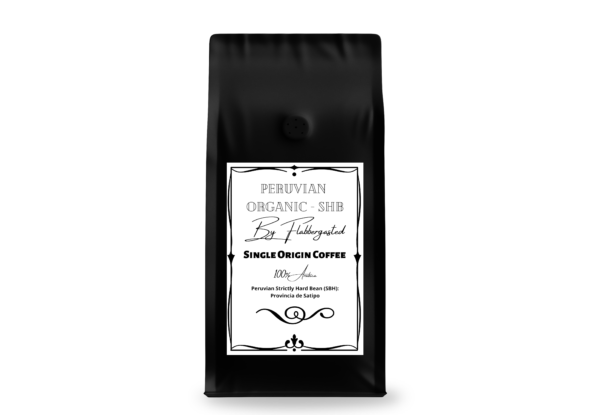
Choosing the right partner for Coffee Beans Delivery
There are hundreds of roasters that can deliver to your door. The trick is discovering the few whose strategy straightens with your taste buds and your schedule. Reputation helps, but disregard buzz and read the details. Try to find roast dates, clear sampling notes that match reality, and openness about origin, processing, and decaf methods. Swiss Water or carbon dioxide decaf preserves flavor far better than older chemical procedures, and the roaster that cares about that generally respects the rest.
Customer service matters more than people think. Bags go missing, climate delays happen, service providers throw boxes like frisbees. The roaster who responds swiftly and changes a clearly harmed shipment is worth a couple of extra dollars a month. If you want Gourmet Coffee Beans Delivery that really tastes gourmet, prioritize roasters that drink their very own coffee and regard your time.
A sensible path to dialing in your delivery
Here's a succinct means to establish your coffee pipe without ending up being a logistics manager.
- Start with a two‑week tempo and 12 ounces per house coffee enthusiast. If you drink more than 2 mugs daily, bump quantity or shorten to weekly. Choose one dependable mix and one revolving solitary beginning. The mix is your safety net, the single beginning maintains points interesting. Track roast dates for a month. Keep in mind which day post‑roast preferences best for your brew approach. Adjust distribution to land two days before that window. Store in the original valve bag in a dark cabinet. Press the air out after each use. Freeze just minimal launches, portioned and sealed. Keep a grinder you trust fund and push finer as the coffee ages. Tiny changes redeem taste you would certainly or else condemn on the beans.
What "provided" suggests for coffee and milk drinks
Milk is a flavor magnet. It subjugates level of acidity and enhances chocolate and sugar notes. If your everyday drink has milk, pick coffees designed to punch via, usually medium to medium‑dark blends with Brazil, Colombia, or Guatemala as anchors. Schedule delivery so your espresso strikes days 7 to 14 post‑roast. That home window produces steadier shots that play perfectly with milk foam.
For straight espresso, lighter roasts can sing, but they require a lot more accuracy and a little more rest time. Anticipate your grind to move better day after day as the beans degas. A solitary origin Kenya could feel wild on day 3, yet by day 10 you'll get a layered shot: currant, citrus, and a sweet finish. Your distribution needs to support this rhythm, not fight it.
Cold brew and cold strategies
Cold mixture forgives many wrongs, but it additionally squashes fragile top notes. If you're making cold brew, big-bodied coffees radiate. Delicious chocolate, nuts, caramel, maybe a tip of dried out fruit. Tool or medium‑dark roasts supply even more presence with dilution and ice. Delivery timing can be slightly looser, since chilly developing extracts much more slowly and highlights base notes that remain much longer. Still, don't utilize beans older than 4 weeks if you desire a clean, vibrant finish. If you intend a summer of cold coffee, increase regularity modestly and minimize bag dimension so beans do not sit.
Sustainability without the halo
The enchanting variation of coffee delivery features compostable bags, electrical vans, and farmers paid triple the market rate. Truth is messier. Compostable bags often fail to keep oxygen out as well as multi‑layer aluminum foil, so your coffee tastes even worse. Some roasters reduce that with far better shutoffs and liners, however there's a trade‑off. If you care about both sustainability and taste, buy from roasters that buy better supply chain methods at beginning, then utilize packaging that actually shields the item. A bag that preserves top quality minimizes waste due to the fact that you will not toss stagnant coffee or over‑order trying to defeat the clock.
Shipping discharges exist, however so do many car journeys to stores with older supply. If your roaster ships successfully, sets distributions, and keeps product fresh, your impact may be similar or perhaps less than regular shop runs. It's not best, however it's not performative either.
How to detect truthful descriptions
Tasting notes are not active ingredients. A bag that states peach and jasmine isn't flavored, it's signaling the sensory impression an experienced cup obtained under regulated problems. Great roasters are specific but not extravagant. "Red apple, nougat, tidy surface" indicates an organized sweet taste with gentle acidity and a rounded mid‑palate. "Berry bomb, candy pleasant" likely implies a natural process with spirituous aromatics that will certainly discolor much faster. If every bag tastes like "delicious chocolate and nuts," you're either buying blends designed for milk drinks or the roaster is playing it safe.
When you Get Coffee Beans Delivered from a brand-new source, make it three ways you recognize well: your normal, 10 percent finer, and 10 percent coarser, maintaining whatever else taken care of. Taste all three. The one that pops tells you how the coffee wishes to be made. Change water temperature following. A couple of levels can save a flat cup without condemning the beans or the courier.
Managing the economics
Quality coffee sets you back more than product beans, greatly because great labor and mindful handling aren't cost-free. A solid membership bag in the United States lands in the 16 to 24 buck variety for 12 ounces, even more for microlots. Shipping adds a couple of bucks unless you struck a complimentary delivery threshold. If you're drinking two mugs daily, your per‑cup price relaxes 70 cents to 1.20, depending on mixture strength and waste. Compare that to a 5 buck coffee shop drink and your purse will quit arguing.
Bulk can be complicated. Bigger bags conserve money, however you trade quality unless you section and freeze. For workplace configurations or large households, a 2‑pound bag with once a week turnover makes good sense. For everybody else, adhere to 10 to 12 ounces and tighten the delivery period instead of stretching the bag past its prime.
Edge instances and little fixes
- High altitude distribution routes in wintertime can reduce degassing. If a coffee preferences limited on day 5, offer it two even more days prior to transforming your grind. If your plan arrives hot from a summer vehicle, allow the bag remainder secured at space temperature level over night. Opening it while warm vents aromatics you desire in the cup. If a bag preferences flat two weeks in, decrease your dosage a little and grind a touch finer. You'll enhance extraction and recuperate sparkle. For decaf, focus on modern processes. Swiss Water and carbon dioxide decafs keep sweetness and texture much better, and they're much less vulnerable to papery tastes as they age. If a roaster often ships a day or two behind guaranteed, ask about their manufacturing timetable. Consistency defeats speed, yet surprises kill planning.
When to change roasters, and when to stay loyal
Palates transform. Seasons change. Your morning routine adjustments. If a roaster's design begins to really feel foreseeable, try a multi‑roaster registration that features revolving guests. On the other hand, commitment has benefits. Roasters fine‑tune accounts over time, and your comments helps. If you love an espresso blend however it's drawing sour in milk, send out a courteous note with your recipe. I have actually seen roasters fine-tune a growth contour by 15 secs based on customer responses and deliver a significantly much better cup in the following roast cycle.
The best roasters talk like craftspeople, not online marketers. They'll admit when a harvest runs smaller, when a great deal mugs differently than in 2015, and when they're try out a brand-new account. That honesty is the bedrock of a great Coffee Beans Delivery relationship.

Bringing it home
Coffee is subject to spoiling, yet it's additionally foreseeable if you offer it the right problems. The magic isn't a mystery. Newly roasted beans provided on a schedule that matches your brewing, packed to keep oxygen at bay, shipped fast sufficient to catch the taste window, and stored with very little difficulty. Do those points and you turn your kitchen area into a reputable coffee shop that just takes place to be your favorite location to drink.
Let the cafe stay unique for foam art and the periodic bread. At home, you regulate variables. You select the origin, the roast degree, the work, the water, and the moment you lastly take that first sip. And when the coffee tastes like more than high levels of caffeine, when it reveals the place it originated from and the hands that led it, you'll know your shipment regimen isn't simply convenient. It's doing what coffee has constantly done at its best, making the tiny part of your day feel bigger and brighter, one cup at a time.